Introduction to Tezos: A Brief Overview
Tezos is a decentralized blockchain platform that has garnered attention for its unique governance model and self-amending capabilities. Launched in 2018, Tezos aims to provide a robust infrastructure for smart contracts and decentralized applications (dApps). Unlike many other blockchains, Tezos employs a proof-of-stake (PoS) consensus mechanism, which allows participants to stake their tokens to support network operations while earning rewards. This approach not only enhances security and scalability but also aligns the interests of stakeholders in the ecosystem.
One of the key features that sets Tezos apart is its on-chain governance system, which empowers token holders to propose and vote on protocol upgrades. This democratic process allows the Tezos network to evolve organically, adapting to technological advancements and user needs without requiring hard forks that can fragment other blockchain communities. This forward-thinking governance model has made Tezos a popular choice among developers looking for a flexible and resilient platform for building and deploying dApps.
Moreover, Tezos has positioned itself as a leader in the burgeoning field of NFTs (Non-Fungible Tokens) and digital art. The platform has attracted various artists and creators due to its low transaction fees and energy-efficient operation compared to other blockchains. This has led to a growing ecosystem of NFT marketplaces and projects that leverage Tezos, further enhancing its visibility and adoption in the crypto space.
As we look ahead to 2026, Tezos is poised to capitalize on its strengths and continue its expansion in various sectors, including finance, gaming, and supply chain management. Its robust staking model not only incentivizes participation but also fosters a sense of community among stakeholders. This introduction to Tezos sets the stage for a deeper exploration of staking strategies and a market outlook in the subsequent sections of this blog post.
Current Market Position of Tezos in 2026
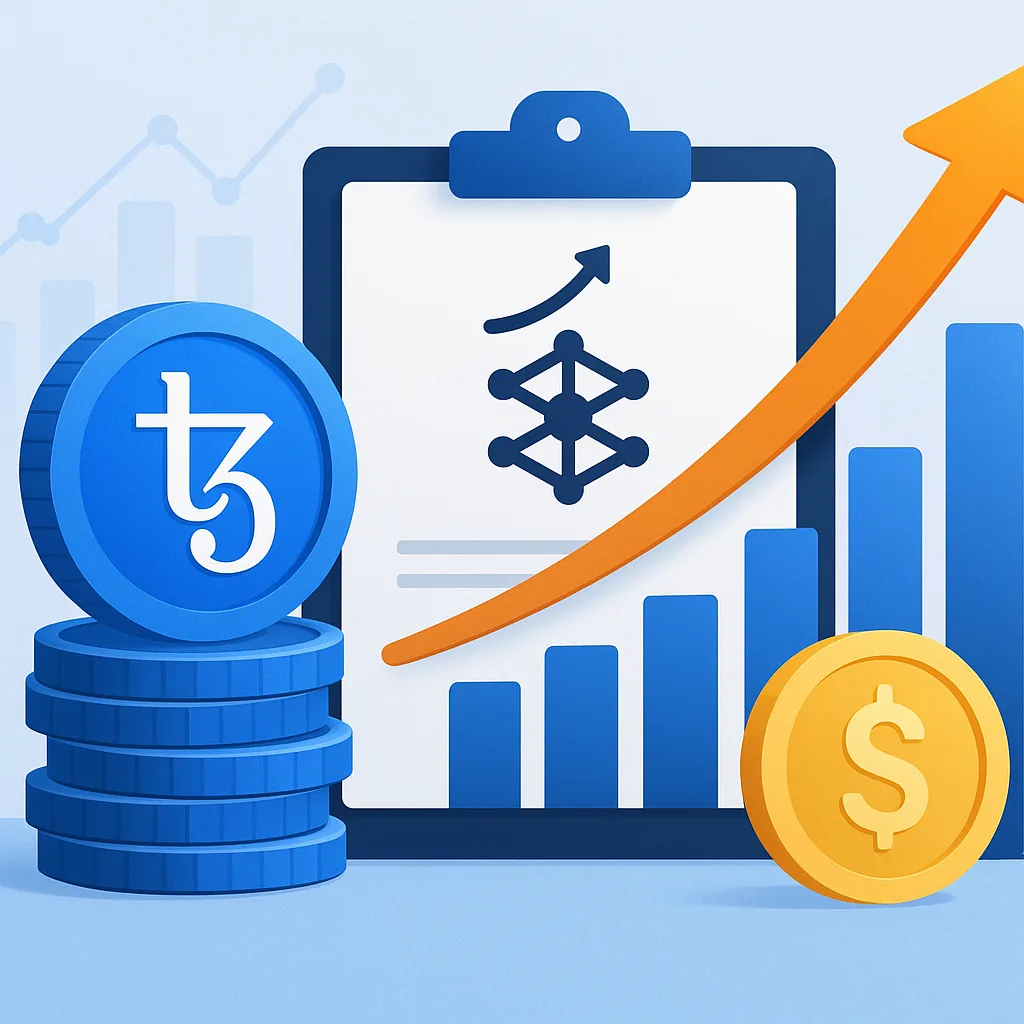
As we move into 2026, Tezos has established itself as a formidable player in the blockchain ecosystem, carving out a niche with its unique features and community-driven approach. The platform is currently ranked among the top 15 cryptocurrencies by market capitalization, buoyed by a growing interest in decentralized applications (dApps) and smart contracts. Its ability to facilitate on-chain governance and self-amendment has attracted a diverse range of projects, from DeFi protocols to NFT marketplaces, further solidifying its relevance in a rapidly evolving market. Tezos staking and growth prospects.
The adoption of Tezos has been propelled by its energy-efficient consensus mechanism, which stands in stark contrast to the energy-intensive processes of Bitcoin and some other blockchains. This eco-friendly approach has resonated with environmentally conscious investors and developers alike, making Tezos a favorable choice for projects prioritizing sustainability. In 2026, the narrative around green blockchain technology is stronger than ever, and Tezos is positioned at the forefront of this movement, boasting a robust network that consumes significantly less energy per transaction.
Furthermore, the Tezos community continues to expand, with an increasing number of validators and delegators participating in its staking ecosystem. The network's staking rewards have remained competitive, attracting a steady influx of new participants seeking to earn passive income. In recent years, the Tezos Foundation has also played a crucial role in fostering innovation through grants and collaborations, incentivizing developers to build on the platform and contributing to its vibrant ecosystem. This collaborative spirit has resulted in a diverse array of projects that not only enhance the Tezos network but also drive its adoption across various sectors.
Looking ahead, the market outlook for Tezos appears promising as it continues to adapt to the changing landscape of blockchain technology. With ongoing upgrades and enhancements aimed at improving scalability and user experience, Tezos is well-equipped to meet the demands of a growing user base. As institutional interest in cryptocurrencies rises, Tezos is likely to benefit from increased investments and partnerships, further solidifying its position in the market. In summary, Tezos is not just surviving in 2026; it is thriving, with a clear path toward further growth and innovation in the blockchain space.
Staking Mechanics: How Tezos Works
Tezos operates on a unique proof-of-stake (PoS) consensus mechanism, which distinguishes it from traditional proof-of-work (PoW) cryptocurrencies. Instead of relying on energy-intensive mining, Tezos allows holders of its native token, XTZ, to participate in network validation and governance through a process known as 'baking.' This innovative approach not only promotes energy efficiency but also encourages active participation in the network's evolution. Mastering investment and staking strategies.
In Tezos, 'bakers' are the equivalent of miners in other blockchain networks. To become a baker, one must hold a minimum amount of XTZ and run a full node. This allows them to validate transactions and create new blocks on the blockchain. The reward for baking includes both newly minted XTZ and transaction fees, which are distributed among the bakers based on their contribution to the network. This mechanism incentivizes bakers to maintain high uptime and performance, ensuring the network remains secure and efficient.
For those who may not have the technical expertise or resources to become a baker, Tezos offers a delegation model. This allows XTZ holders to delegate their staking rights to a baker of their choice while retaining ownership of their tokens. By delegating, individuals can earn a share of the rewards generated by the baker without needing to run their own node. This accessibility is a significant factor in Tezos' growing popularity, as it lowers the barrier to entry for staking and encourages broader participation in the network.
The staking rewards in Tezos are designed to be attractive, often ranging from 5% to 7% annually, depending on the baker's performance and the overall network conditions. This makes Tezos an appealing option for investors looking for passive income through staking. As we look ahead to 2026, the continued evolution of Tezos' staking mechanics and its strong community support suggest that it will remain a competitive player in the blockchain space, offering robust opportunities for both new and seasoned investors.
Investment Strategies for Tezos in 2026
As we look ahead to 2026, investors in Tezos should consider a multi-faceted approach to capitalize on its unique qualities and market dynamics. One of the most effective strategies is to engage in staking. Tezos operates on a proof-of-stake consensus mechanism, allowing holders to participate in the network's governance and earn rewards by staking their tokens. This not only provides a steady income stream but also aligns investors with the long-term success of the Tezos ecosystem. To maximize returns, investors should evaluate their staking options carefully, considering factors such as delegation fees, staking pools, and the overall health of the Tezos network.
In addition to staking, diversification remains a cornerstone of any investment strategy. While Tezos has shown resilience and potential for growth, it is prudent to balance your portfolio with other cryptocurrencies and traditional assets. This can help mitigate risks associated with market volatility and regulatory changes. In 2026, investors should keep an eye on emerging trends within the blockchain space—such as decentralized finance (DeFi) and non-fungible tokens (NFTs)—that could influence the demand for Tezos. Engaging in these sectors could enhance the overall value of your investment portfolio. Beginner's guide to crypto staking.
Moreover, staying informed about technological advancements and partnerships within the Tezos ecosystem will be crucial. Tezos is known for its adaptability and ongoing development, which can drive its market value. Monitoring updates from the Tezos Foundation and other key stakeholders can provide insights into the network's future direction. Investors should also consider participating in community forums and discussions, as grassroots sentiment often provides valuable context for market movements.
Lastly, utilizing dollar-cost averaging (DCA) as an investment strategy can help mitigate the impact of market fluctuations. By gradually acquiring Tezos over time, investors can avoid the pitfalls of trying to time the market, thereby reducing the risk of making impulsive decisions based on short-term price movements. This strategy is particularly effective in the volatile cryptocurrency landscape, where price swings can be significant. As 2026 approaches, combining staking with thoughtful diversification, community engagement, and DCA can pave the way for a successful investment journey in Tezos.
Risks and Challenges: What to Consider
While investing in Tezos presents numerous opportunities, it is essential to recognize the inherent risks and challenges that come with it. One of the primary risks is market volatility. Cryptocurrencies, including Tezos, are known for their price fluctuations. This volatility can lead to significant gains, but it can just as easily result in substantial losses. Investors should be prepared for the possibility of sudden price swings, which can be driven by a variety of factors including market sentiment, regulatory news, and technological developments.
Another critical consideration is the regulatory landscape surrounding cryptocurrencies. As governments worldwide are still grappling with how to regulate digital assets, changes in legislation can have profound effects on the market. For instance, strict regulations could limit the use of Tezos and other cryptocurrencies, potentially impacting their value and usability. Investors must stay informed about regulatory developments in their respective jurisdictions to mitigate the risks associated with sudden legal changes.
Additionally, the technical aspects of staking Tezos should not be overlooked. While staking offers the opportunity to earn rewards, it also comes with risks related to network performance and security. Issues such as network downtime or attacks can impact staking rewards and the overall value of investments. Investors should carefully choose reliable validators when delegating their Tezos for staking, as the performance and reliability of these validators directly influence the staking returns. Trade AXS/USDT.
Lastly, the competitive landscape of blockchain technology poses a challenge for Tezos. With numerous projects vying for attention and investment, Tezos must maintain its technological edge and community support. As new projects emerge, existing ones may struggle to retain their market share. Investors should keep an eye on how Tezos evolves and adapts in this dynamic environment, as its ability to innovate will play a crucial role in its long-term success.
Future Trends: Tezos and the Evolving Crypto Landscape
As the cryptocurrency market continues to mature, Tezos stands out as a unique player with its innovative blockchain technology and governance model. One of the key trends shaping the future of Tezos is its focus on on-chain governance, which allows stakeholders to propose and vote on protocol upgrades. This feature not only enhances the project's adaptability in a rapidly changing market but also fosters a sense of community among its users. As more investors recognize the importance of sustainable governance models, Tezos is likely to attract a growing number of users who prioritize decentralized decision-making.
Moreover, the increasing adoption of decentralized finance (DeFi) applications is expected to play a significant role in Tezos' growth. The platform's ability to support smart contracts enables developers to build a wide range of DeFi solutions, from lending and borrowing protocols to decentralized exchanges. As the DeFi sector continues to expand, Tezos is well-positioned to capture market share, especially considering its lower transaction fees and energy-efficient consensus mechanism. Investors should keep an eye on how Tezos evolves its DeFi ecosystem, as this could significantly impact its valuation and staking rewards.
Additionally, the trend towards regulatory clarity in the cryptocurrency space may further bolster Tezos' position in the market. As governments around the world implement clearer frameworks for digital assets, platforms that demonstrate compliance and a commitment to security will likely gain the trust of institutional investors. Tezos has already made strides in this direction, and its proactive approach to regulatory compliance may serve as a competitive advantage as institutional interest in crypto continues to rise.
Finally, the growing environmental consciousness among investors and users has led to a preference for blockchains that prioritize sustainability. Tezos' proof-of-stake mechanism is not only energy-efficient but also positions the platform favorably in a landscape where eco-friendly practices are becoming increasingly important. This trend may attract environmentally-conscious investors and developers, further solidifying Tezos' reputation as a forward-thinking blockchain. As we look to 2026, it is clear that Tezos is poised to leverage these evolving trends to enhance its market presence and provide attractive opportunities for stakeholders. FLR price.
Real-World Use Cases: Tezos in Action
Tezos has emerged as a leading blockchain platform, not only for its innovative consensus mechanism but also for its diverse real-world applications. One of the standout features of Tezos is its on-chain governance, which enables stakeholders to vote on protocol upgrades and changes. This represents a shift towards a more democratic and adaptable blockchain ecosystem. As organizations continue to seek blockchain solutions that offer flexibility and community involvement, Tezos is well-positioned to become the go-to platform for decentralized applications (dApps) and smart contracts.
In the realm of digital art and non-fungible tokens (NFTs), Tezos has gained significant traction. The platform’s low transaction fees and energy-efficient proof-of-stake consensus make it an attractive choice for artists and creators. Various NFT marketplaces, such as Hic et Nunc and Kalamint, have flourished on Tezos, allowing artists to mint, buy, and sell their digital creations without incurring hefty costs. This accessibility has democratized the art world, enabling a more inclusive environment for emerging artists who may not have the resources to participate in more established platforms.
Beyond the art world, Tezos is also making strides in the finance and gaming industries. Several decentralized finance (DeFi) projects have been built on Tezos, offering services like lending, borrowing, and yield farming. The platform’s robustness and scalability ensure that it can handle the demands of these applications while maintaining security and user trust. In gaming, Tezos has been integrated into various blockchain-based games, providing players with true ownership of in-game assets. This not only enhances the gaming experience but also allows players to trade and monetize their assets in a secure and transparent manner.
Furthermore, Tezos is being adopted for enterprise solutions, with companies leveraging its blockchain for supply chain management, identity verification, and data security. The ability to create tamper-proof records and streamline processes has attracted businesses looking to improve efficiency and reduce costs. As the demand for blockchain technology continues to grow, Tezos's versatility and real-world use cases will likely drive its adoption in multiple sectors, reinforcing its position as a key player in the cryptocurrency space. Markets.
Conclusion: Is Tezos a Smart Investment Choice?
As we look forward to 2026, the question of whether Tezos is a smart investment choice hinges on various factors that range from its technological foundation to market dynamics. Tezos stands out in the cryptocurrency landscape not only due to its unique governance model but also because of its commitment to continuous evolution. The platform's self-amending feature allows it to adapt and upgrade without the need for hard forks, a significant advantage in a space that often experiences fragmentation. This adaptability positions Tezos as a forward-thinking blockchain that can meet the changing demands of developers and users alike.
Staking Tezos tokens (XTZ) offers investors more than just potential capital appreciation; it provides a steady stream of passive income. The staking rewards, which can range from 5% to 7% annually, are a compelling incentive for long-term holders. Moreover, the community-driven governance model empowers stakeholders to actively participate in decision-making processes, creating a sense of ownership and alignment with the platform's success. As the adoption of decentralized applications (dApps) continues to grow, the utility of Tezos may increase, driving further demand for XTZ tokens.
However, it is essential to consider the broader market trends and potential challenges. The cryptocurrency market is notoriously volatile, and while Tezos has established itself as a robust platform, it is not immune to the fluctuations that can impact prices. Regulatory changes, competition from other blockchain platforms, and technological advancements are all factors that could influence Tezos's market position. Investors should remain vigilant and conduct thorough research to understand these dynamics fully.
In conclusion, Tezos presents a unique investment opportunity characterized by its innovative technology, staking rewards, and active community governance. For those willing to adopt a long-term perspective and navigate the inherent risks of the crypto market, Tezos could indeed prove to be a smart investment choice by 2026. As with any investment, a diversified approach and a clear understanding of one’s risk tolerance are essential to achieving financial goals.