Introduction to Cardano's Security Landscape in 2026
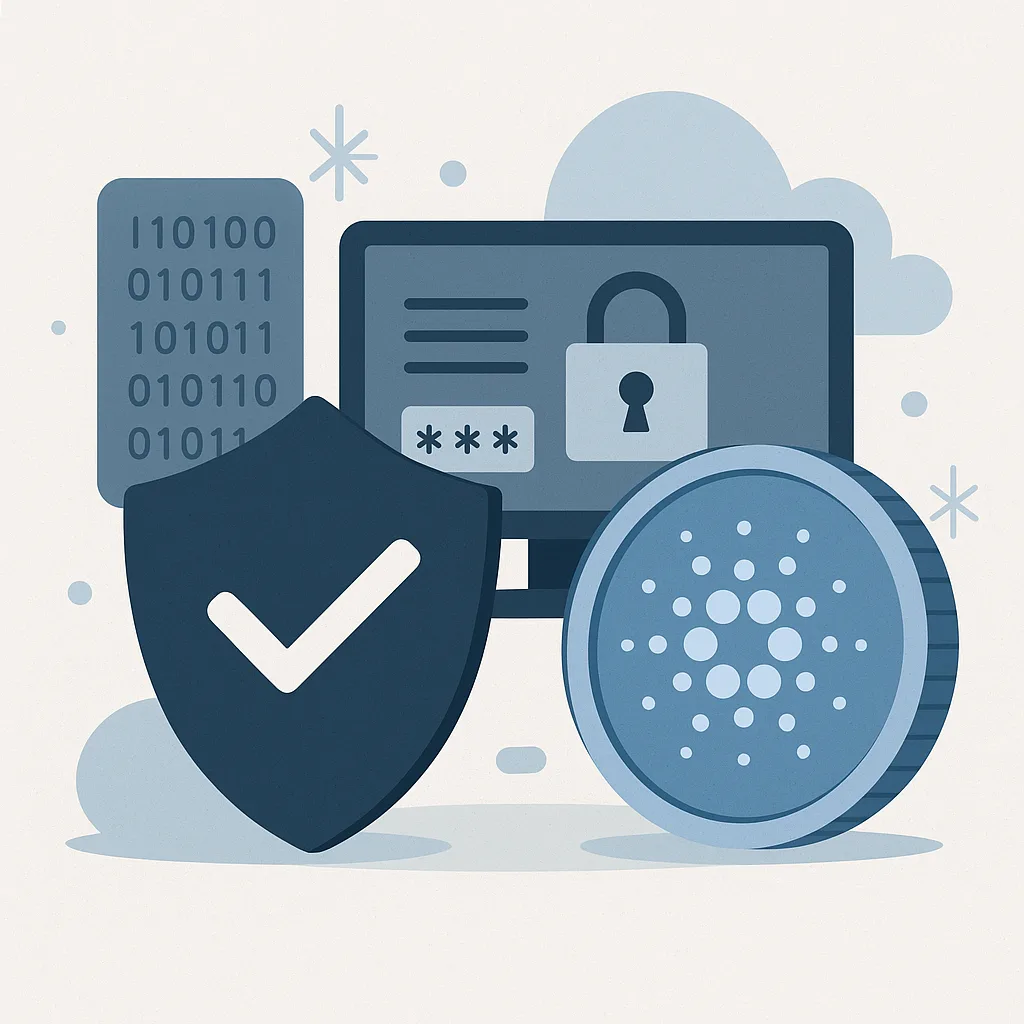
As we delve into 2026, the Cardano ecosystem continues to stand out as a pioneering force in the realm of blockchain technology. With its unique proof-of-stake consensus mechanism, Cardano has consistently prioritized security and sustainability, setting a benchmark for other platforms. The ongoing evolution of its architecture and governance mechanisms has not only fortified its security posture but has also fostered a community that is deeply engaged in its decentralized governance model.
The landscape of cybersecurity threats has evolved dramatically in recent years, and Cardano's approach to security reflects an acute awareness of these challenges. In 2026, the network has implemented advanced cryptographic techniques and rigorous auditing processes to safeguard against potential vulnerabilities. The shift towards decentralized identity solutions and enhanced privacy features has also become a focal point, ensuring that users can enjoy anonymity without compromising on security.
Moreover, the integration of artificial intelligence and machine learning into the security protocols of Cardano has significantly improved its ability to detect and respond to threats in real time. These technologies empower the network to analyze vast amounts of data, identifying anomalies and potential security breaches before they can impact users. This proactive stance not only reinforces trust within the ecosystem but also enhances the overall user experience.
As Cardano moves forward, the community remains a vital element in its security framework. The incorporation of community feedback into the development process ensures that security measures are not only robust but also aligned with the needs of users. With regular updates and enhancements, Cardano aims to maintain a resilient infrastructure capable of adapting to new threats while continuing to support innovative projects that leverage its blockchain technology. This collaborative approach positions Cardano as a leader in blockchain security, making it an attractive platform for developers and users alike in 2026 and beyond.
The Importance of Robust Security Protocols for Altcoins
In the ever-evolving landscape of cryptocurrency, security remains a paramount concern, particularly for altcoins like Cardano. With the increasing adoption of blockchain technology and the rise of decentralized finance (DeFi), the need for robust security protocols cannot be overstated. As more investors and users migrate toward these alternative digital currencies, ensuring the integrity and safety of their investments is critical. A breach or compromise not only jeopardizes individual user assets but can also have far-reaching implications for the entire ecosystem. Guide to Cardano safety.
Robust security protocols provide a multi-layered defense mechanism that protects against various threats, including hacking, fraud, and data breaches. These protocols encompass a range of measures, including encryption, multi-signature wallets, and regular security audits. By implementing advanced cryptographic techniques, altcoins can safeguard transaction data and user wallets from unauthorized access. Additionally, multi-signature wallets require multiple keys to authorize a transaction, adding an extra layer of security that mitigates the risk of single-point failures.
Furthermore, the importance of community engagement in enhancing security cannot be overlooked. The active involvement of the community in identifying potential vulnerabilities and reporting suspicious activities plays a crucial role in maintaining the overall health of the network. Transparency and open communication between developers and users foster a culture of vigilance, which is essential for the proactive management of security threats. A well-informed community can serve as the first line of defense against emerging risks, ensuring that security measures evolve in tandem with the rapidly changing threat landscape.
As we move into 2026, the significance of robust security protocols for altcoins like Cardano will only intensify. With the growing sophistication of cyber threats and the increasing value of digital assets, the cryptocurrency space must prioritize security to maintain user confidence and promote sustainable growth. By investing in comprehensive security measures, altcoins can not only protect their users but also solidify their position in the competitive market of digital currencies.
Current Threats Facing Cardano Users
As the Cardano ecosystem continues to grow and evolve, so too does the landscape of threats that users must navigate. In 2026, the security of Cardano faces several key challenges, primarily stemming from the increasing sophistication of cyberattacks and the exploitation of vulnerabilities within the blockchain technology itself. Users should be aware of these threats to better safeguard their assets and personal information. Strategies for crypto security.
One of the most pressing concerns is the rise of phishing attacks. Cybercriminals are deploying increasingly deceptive tactics to trick users into revealing their private keys or recovery phrases. These attacks often come in the form of fake websites or emails that closely mimic official Cardano communications. Given the decentralized nature of cryptocurrency, once a user’s keys are compromised, there is little recourse to recover lost assets. Therefore, it is vital for users to remain vigilant and verify the authenticity of any communication or website before entering sensitive information.
Additionally, the prevalence of malware targeting cryptocurrency wallets cannot be overlooked. In 2026, various forms of malware, including keyloggers and remote access trojans, continue to pose significant risks. These malicious programs can infiltrate a user’s device and monitor their activities, ultimately capturing sensitive data. Users are encouraged to employ comprehensive security measures, such as using antivirus software and ensuring their devices are always updated with the latest security patches to mitigate these risks.
Another emerging threat is the potential for smart contract vulnerabilities. As Cardano increasingly embraces smart contracts, the likelihood of discovering bugs or exploits within these contracts grows. Hackers may exploit these vulnerabilities to manipulate transactions or siphon off funds. It is crucial for developers and users alike to conduct thorough audits of smart contracts and utilize established best practices when deploying them. By understanding the current threats and practicing good security hygiene, Cardano users can better protect themselves against the evolving landscape of cyber threats.
Best Practices for Securing Your Cardano Wallet
As the popularity of Cardano continues to grow, so does the importance of securing your digital assets. A secure wallet is essential for protecting your investments and ensuring that your funds remain safe from potential threats. Here are some best practices you can implement to enhance the security of your Cardano wallet.
Firstly, choose a reputable wallet provider. There are various types of wallets available, including hardware, software, and paper wallets, each with its own level of security. Hardware wallets, such as Ledger or Trezor, are considered one of the safest options as they store your private keys offline, making it nearly impossible for hackers to access your funds. Software wallets, while more convenient for daily transactions, should be chosen with caution. Always download wallets from official sources, and check reviews and community feedback to ensure their reliability. Advanced risk management techniques.
Secondly, enable two-factor authentication (2FA) wherever possible. This additional layer of security requires not just your password but also a second form of verification, such as a code sent to your mobile device or an authentication app. By implementing 2FA, you significantly reduce the risk of unauthorized access to your wallet, even if your password is compromised. Additionally, regularly changing your passwords and using strong, unique passwords for each of your accounts can further protect your digital assets.
Another crucial aspect of wallet security is backup and recovery. Ensure that you have a secure backup of your wallet’s private keys or recovery phrases. Store this information in a safe place, separate from your computer or mobile device, to prevent loss from hardware failure or theft. Regularly updating your wallet software is also vital, as updates often include security patches that address vulnerabilities. By following these best practices, you can significantly enhance the security of your Cardano wallet and protect your investments against common threats.
How to Recognize and Avoid Phishing Attacks
Phishing attacks continue to be one of the most common tactics used by cybercriminals to compromise accounts and steal sensitive information. These attacks often come in the form of deceptive emails, fake websites, or messages that appear to be from legitimate sources. Recognizing the signs of a phishing attempt is crucial for protecting your Cardano assets and personal information. One of the first red flags to look for is the sender's email address. Often, phishing emails will use addresses that closely resemble legitimate ones but contain subtle differences, such as an extra letter or a different domain. Always double-check the sender's address before taking any action.
Another common feature of phishing attempts is a sense of urgency. Cybercriminals often create scenarios that pressure you to act quickly, such as claiming that your account will be suspended or that you must verify your identity immediately. Legitimate organizations will not rush you into making quick decisions. If you receive such a message, take a step back and verify its authenticity by contacting the organization directly through official channels instead of clicking on any provided links.
Additionally, be cautious of any links or attachments included in unsolicited messages. Hovering over links can reveal their true destination, which may be a phishing site designed to capture your login credentials. It's best to type the URL directly into your browser rather than clicking on links from unknown sources. If a message instructs you to download a file or software, avoid doing so unless you are sure of its safety and legitimacy. Trade ATOM/USDT.
Finally, consider using security tools such as anti-phishing software, which can help detect and block phishing attempts before they reach you. Regularly updating your software and using two-factor authentication can also provide an added layer of security for your Cardano wallet and associated accounts. By staying vigilant and following these best practices, you can significantly reduce your risk of falling victim to phishing attacks.
The Role of Decentralization in Cardano's Security
Decentralization is one of the cornerstone principles of blockchain technology, and it plays a crucial role in enhancing the security of the Cardano network. By distributing control and decision-making across a wide array of nodes, Cardano mitigates the risks associated with centralization, where a single point of failure can lead to catastrophic security breaches. In a decentralized environment, even if one or a few nodes are compromised, the integrity and functionality of the entire network remain intact, thereby reinforcing its resilience against various attacks.
Cardano employs a unique proof-of-stake (PoS) consensus mechanism called Ouroboros, which is inherently designed to promote decentralization. Unlike traditional proof-of-work (PoW) systems, where mining power can become concentrated in the hands of a few entities, Ouroboros allows anyone holding ADA to participate in the staking process. This incentivizes a larger number of stakeholders to engage in network validation, thus dispersing the power and influence across a broader base of users. As more individuals participate in staking, the network becomes increasingly secure, reducing the likelihood of coordinated attacks or malicious behavior.
Moreover, the decentralized nature of Cardano's governance model enhances its security posture. Through community-driven governance, stakeholders have a voice in the decision-making processes that affect the network's development and security protocols. This participatory approach not only fosters transparency but also enables rapid identification and response to potential vulnerabilities. When users are empowered to propose and vote on changes, the collective intelligence of the community can effectively address security challenges, making it more difficult for malicious actors to exploit weaknesses unnoticed.
In summary, decentralization is not merely a theoretical concept in Cardano; it is a practical framework that underpins the network's security architecture. By fostering a diverse and engaged user base, Cardano enhances its ability to withstand attacks and adapt to emerging threats. As the blockchain landscape continues to evolve, the commitment to decentralization will remain a vital component of Cardano’s strategy to bolster security and maintain trust among its users. TUSD price.
Future Trends in Cardano Security: What to Watch For
As we look ahead to 2026, the landscape of blockchain security is evolving rapidly, and Cardano is no exception. One of the most significant trends we can expect is the integration of advanced cryptographic techniques that enhance security while maintaining scalability. Zero-knowledge proofs, for instance, are gaining traction across various blockchain platforms, and their implementation in Cardano could allow for greater privacy and security in transactions, enabling users to validate information without revealing the underlying data.
Moreover, the rise of decentralized finance (DeFi) applications within the Cardano ecosystem presents both opportunities and challenges in terms of security. As more users engage with DeFi protocols, the importance of robust security measures becomes paramount. In 2026, we may see the emergence of automated security audits and real-time monitoring systems that leverage artificial intelligence to detect vulnerabilities and mitigate risks proactively. These tools could become essential for developers and users alike, ensuring that the protocols remain safe from potential exploits.
Another trend to watch is the increasing emphasis on community-driven security initiatives. Cardano has always prided itself on its strong community involvement, and as we move into 2026, we can expect more collaborative efforts to enhance security. This may include community-led bug bounty programs, where developers and users are incentivized to identify and report vulnerabilities, fostering a culture of shared responsibility for the network's security. By leveraging the collective expertise of its community, Cardano can bolster its defenses against emerging threats.
Lastly, regulatory compliance will play a critical role in shaping the security landscape for Cardano. As governments around the world ramp up their scrutiny of blockchain technologies, ensuring compliance with regulations will be crucial for maintaining user trust and network integrity. In 2026, we are likely to see Cardano implement more robust compliance frameworks that incorporate security measures to meet regulatory standards, thereby reinforcing its position as a leading platform in the blockchain space. Exbix.
Conclusion: Building a Secure Future with Cardano
As we look towards the future of Cardano in 2026, it is clear that security will remain a cornerstone of its ecosystem. The advancements made in cryptographic techniques and blockchain technology over the last few years have set a strong foundation for Cardano to build upon. By prioritizing security, Cardano not only safeguards its users' assets but also fosters a sense of trust and reliability in the broader cryptocurrency community. This trust is essential for attracting new users and developers, ultimately leading to a more robust and vibrant ecosystem.
One of the key takeaways from our exploration of Cardano's security measures is the importance of continuous improvement. As threats evolve and new vulnerabilities emerge, Cardano must remain vigilant and proactive in addressing these challenges. The implementation of advanced security protocols, regular audits, and community engagement through initiatives like bug bounty programs can significantly enhance Cardano's resilience against potential attacks. Moreover, fostering a culture of transparency and collaboration within the community can empower users to contribute to the platform's security in meaningful ways.
Looking ahead, the integration of innovative technologies such as artificial intelligence and machine learning can further bolster Cardano's security framework. These technologies can be harnessed to analyze patterns in user behavior, detect anomalies, and respond to threats in real-time. Additionally, the development of decentralized identity solutions can help protect users' personal information, ensuring that privacy is maintained without sacrificing security. By embracing such advancements, Cardano can set a benchmark for security standards in the blockchain space.
In conclusion, building a secure future for Cardano in 2026 requires a multi-faceted approach that combines technological advancements, community engagement, and a commitment to continuous improvement. By prioritizing security, Cardano can not only protect its users but also pave the way for broader adoption and innovation in the blockchain industry. As we move forward, it is vital for all stakeholders to remain engaged and proactive in contributing to Cardano's security, ensuring that it remains a leading platform in the decentralized world.